Best Trails Near Hong Kong for Reflective Walks
A guide to five accessible trails where you can actually disconnect from the city and find genuine peace.
Creating sustainable practices that bring nature into your weekly rhythm, even in the heart of the city.

Living in the city doesn’t mean you’re stuck indoors. We’re surrounded by trails, parks, and green spaces — yet most people never make time for them. The thing is, building an outdoor routine isn’t about becoming a hardcore hiker or spending entire weekends on mountains. It’s about weaving small, consistent moments of nature into your weekly life.
When you develop a structured outdoor practice, something shifts. You’ll notice better sleep, clearer thinking, and less stress. Plus, you’re more likely to stick with it when it becomes part of your regular schedule — like brushing your teeth or your morning coffee.
You don’t need to overhaul your life. Start with three outdoor sessions per week — that’s it. This gives you consistency without overwhelming your schedule. Tuesday morning, Thursday evening, and Saturday afternoon works well for most people. You’ll build momentum without burning out.
Each session should be 45-90 minutes. That’s enough time to actually disconnect and feel the benefits. Shorter bursts don’t give your mind space to settle. Longer sessions can become harder to maintain weekly. Find your sweet spot within that range — maybe it’s an hour on weekdays and two hours on weekends.
Pick your times. Choose three specific days and times you’ll go outside. Write them down. Make them non-negotiable like a work meeting.
Pick your location. Don’t overthink this. Choose a nearby trail or park you can reach in 15 minutes or less. Accessibility matters more than spectacular views at the start.
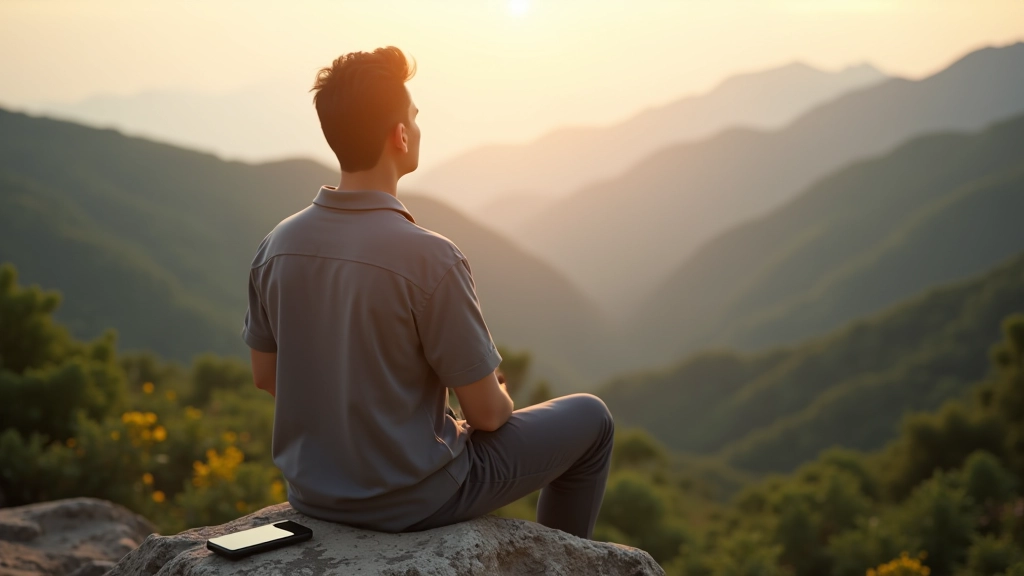
Leave your phone. Or put it in airplane mode. This is harder than it sounds, but it’s the whole point. You’re training your brain to be present.
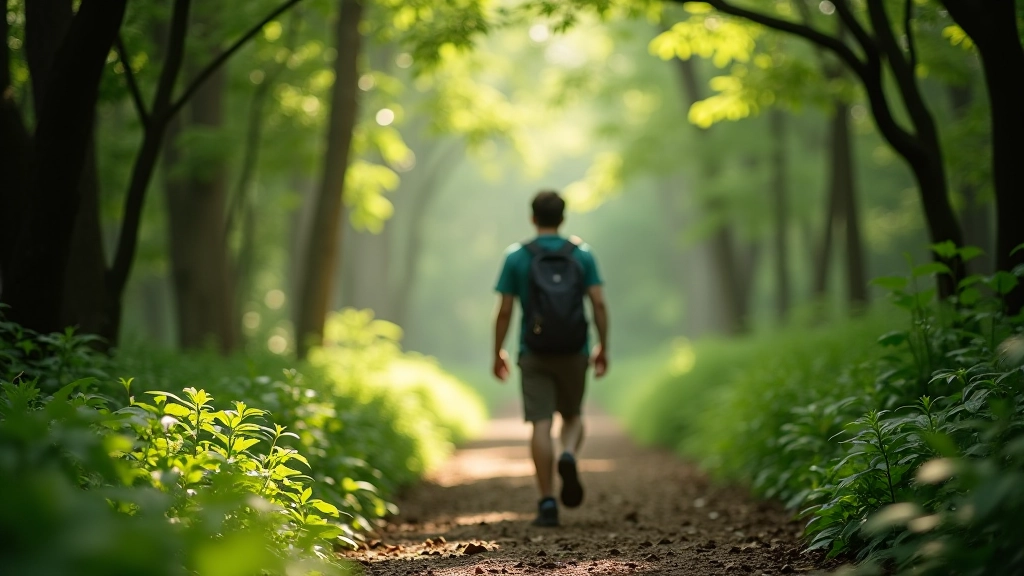

The real challenge isn’t the outdoor time itself — it’s maintaining consistency. That’s where habit stacking works. You attach your new routine to something you already do. For example: Every Tuesday after work, you go straight to the trail instead of home. Every Thursday lunch break, you walk to a nearby park. Every Saturday morning, you hike before breakfast.
This removes decision-making. Your brain doesn’t get to negotiate. It’s just what happens on those days. After 6-8 weeks, it becomes automatic. You’ll actually feel weird skipping it.
“I started going Tuesday evenings after work. First month was rough — I kept thinking of reasons to skip. By month two, I was looking forward to it. Now if I miss a week, I feel genuinely off.”— Jade, 28, finance professional
Hong Kong’s weather shifts dramatically. Your routine needs to flex with it. During hot, humid months, shift to early morning sessions — 6:30 or 7 AM before the heat peaks. Rainy season? That’s not a barrier, just different. Bring proper gear and enjoy the quieter trails. Most people avoid hiking in rain, which means you’ll have peaceful solitude.
Winter is actually ideal for outdoor routines. Cooler temperatures mean you can hike longer without overheating. You’re less likely to skip sessions due to heat exhaustion. The light is softer, visibility is clearer, and trails are less crowded.
Mild temps, occasional rain. Best for longer hikes. Wildflowers are blooming.
Hot and humid. Early morning sessions essential. Stay hydrated. Shorter routes work better.
Ideal conditions. Comfortable temps, less rain. Extended hiking sessions possible.
Cool and dry. Perfect visibility. Trails are quiet. Best season for consistency.


You don’t need fancy apps or GPS watches. A simple calendar on your wall works. Mark off each day you complete your session. That’s it. Seeing the visual streak of completed days is motivating — you won’t want to break the chain.
But also keep a journal. Not a detailed hiking log — just 2-3 sentences after each session. What did you notice? How’d you feel? Any wildlife? This isn’t busywork. It trains your mind to observe more deeply. After a few months, you’ll have a record of how the seasons changed, how your mood improved, how you grew stronger.
Real talk: You’ll miss sessions. Maybe you get sick, work gets crazy, or the weather is genuinely awful. That’s normal. The goal isn’t perfection. It’s consistency over time. Miss one session? Jump back in the next scheduled day. Miss a whole week? Start fresh without guilt. Your routine is flexible — it bends but doesn’t break.
Building an outdoor routine isn’t about becoming some nature enthusiast or fitness expert. It’s about reclaiming balance in a city life that pulls you in a hundred directions. When you spend consistent time outside, you notice everything shifts. Your sleep improves. Your anxiety drops. Work stress feels less suffocating. You actually enjoy your commute because you’re paying attention to the world around you.
Start this week. Pick three days. Pick one location. Go. Don’t overthink it. The hardest part is showing up that first time. After that, momentum builds. Within three months, you won’t recognize yourself. You’ll be the person who prioritizes outdoor time, who leaves their phone behind, who actually notices seasons changing.
That’s not just better health. That’s a different way of living.
This article provides informational guidance about developing outdoor routines for wellness. It’s not medical advice or a substitute for professional health consultation. Individual responses to outdoor activity vary based on personal health, fitness level, and circumstances. If you have specific health concerns, mobility limitations, or medical conditions, consult with a healthcare provider before significantly increasing physical activity. Weather conditions and trail safety require appropriate preparation and judgment.