

Best Trails Near Hong Kong for Reflective Walks
A guide to five accessible trails where you can actually disconnect from the city and find space for reflection.
Read MoreHow to plan half-day trips where you actually leave your devices behind. Includes tips for managing the transition and making the most of offline time in Hong Kong’s countryside.

You’ve probably noticed it — that constant buzz. Phone in pocket, notifications pinging, the urge to check messages even when you’re surrounded by mountains and fresh air. Here’s the thing: you’re not weak for feeling it. It’s designed that way. But you don’t have to let it ruin your countryside time.
A proper digital detox isn’t about going full survivalist for a month. It’s about planning one half-day excursion where you genuinely disconnect, breathe, and remember what quiet feels like. Most people find that just 3-4 hours without their phone changes their perspective completely. You’ll notice things you’d normally scroll past. You’ll actually hear the trail. You’ll feel less anxious without the constant pull to stay connected.
Planning matters more than you’d think. If you just walk out the door without preparation, you’ll be checking your phone within 30 minutes. Here’s what actually works:


Not all trails work equally for a detox hike. You want somewhere close enough that you’re not exhausted by travel time, but far enough that you feel genuinely removed from the city. Hong Kong’s got dozens of options.
Pick a route you’ve done before or one that’s well-marked. Don’t experiment with navigation on your first offline hike — that’s stressful and defeats the purpose. A familiar 8-12km trail taking about 3-4 hours works perfectly. That’s long enough to properly disconnect but short enough that you’re not wrecked afterward.
Timing matters too. Early morning hikes (6:30-8 AM starts) are best. You’ll finish before lunch, avoid crowds, and get home with afternoon still ahead. The light’s better. You’ll feel calmer starting before everyone else is rushing around.
The first 20 minutes are the hardest. Your brain’s used to that phone in your pocket. It’ll feel wrong. You’ll reach for it without thinking. That’s completely normal — don’t fight it aggressively.
What actually works: Redirect that impulse. When you feel the urge to check your phone, instead notice something around you. Really look at it. What color are the leaves? What do they sound like when the wind moves through? Touch the bark of a tree. Smell the earth after rain. These aren’t cheesy meditation exercises — they’re what your brain needs instead of the dopamine hit from notifications.
By the 45-minute mark, you’ll stop thinking about it. Seriously. Your nervous system adjusts fast. Most people report that the second half of their hike feels completely different — less anxious, more present. You might actually laugh at how tense you were about leaving your phone.
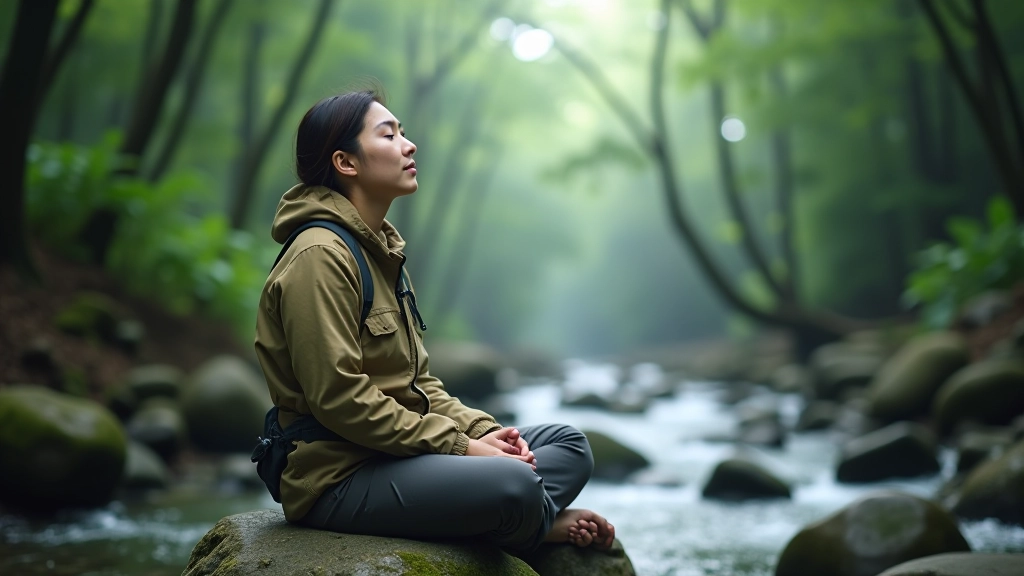
Don’t immediately dump your phone back in your face. You’ve just reset your nervous system — don’t blow it immediately by scrolling through 47 notifications. Spend 30 minutes just being. Have tea. Sit with what you experienced. Write a few thoughts down if you want.
Here’s what most people notice: you’ll be calmer for the next few days. Sleep better that night. Actually have thoughts that aren’t interrupted by pings. That feeling? That’s what your baseline used to be. You can absolutely get back there regularly if you plan these hikes every few weeks.
If you’re worried about missing moments, bring a small point-and-shoot or use your phone camera in airplane mode. Takes photos, no notifications. Actually makes you more present because you’re not scrolling between shots.
Low blood sugar makes you anxious and irritable. Pack snacks you actually like — nuts, fruit, energy bars. Drink water consistently. This isn’t about being hardcore. You want to feel good out there.
Some people need a hiking partner to stay accountable. Others need complete solitude to truly disconnect. Try both. There’s no wrong answer — just find what actually works for you.
A viewpoint at the end, a stream to splash in, or a quiet spot to sit — give your hike a destination. It keeps your mind focused on the physical journey rather than scrolling anxiety.
One disconnected hike won’t magically fix your relationship with technology. But it’s a start. It shows you what’s possible. After you do this once, you’ll want to do it again. Maybe twice a month. Maybe every other week. The point is: you’ve proven to yourself that you can step away and actually enjoy it.
Hong Kong’s countryside is right there — accessible trails within 30-45 minutes of most neighborhoods. The hardest part isn’t finding the trail. It’s actually turning off the phone and committing to those few hours. But when you do? When you’re standing on a ridge with nothing but views and silence and your own thoughts? That’s when you remember why this matters.
Start small. Plan one hike this month. Leave your phone behind. See how you feel afterward. You might surprise yourself.


This article provides educational information about planning digital detox hikes in Hong Kong’s countryside. It’s intended to help you think through practical considerations for disconnecting during outdoor activities. Individual experiences with digital detox vary greatly — what works for one person may not work for another. Always check current weather conditions, trail status, and safety information before heading out. If you have health concerns about being offline (medical emergencies, accessibility needs), consult with your healthcare provider or relevant services before planning a digital detox excursion. This content is informational and reflects general practices, not medical or professional guidance.