
Best Trails Near Hong Kong for Reflective Walks
Five accessible trails where you can actually disconnect from the city noise and practice mindful walking in nature.
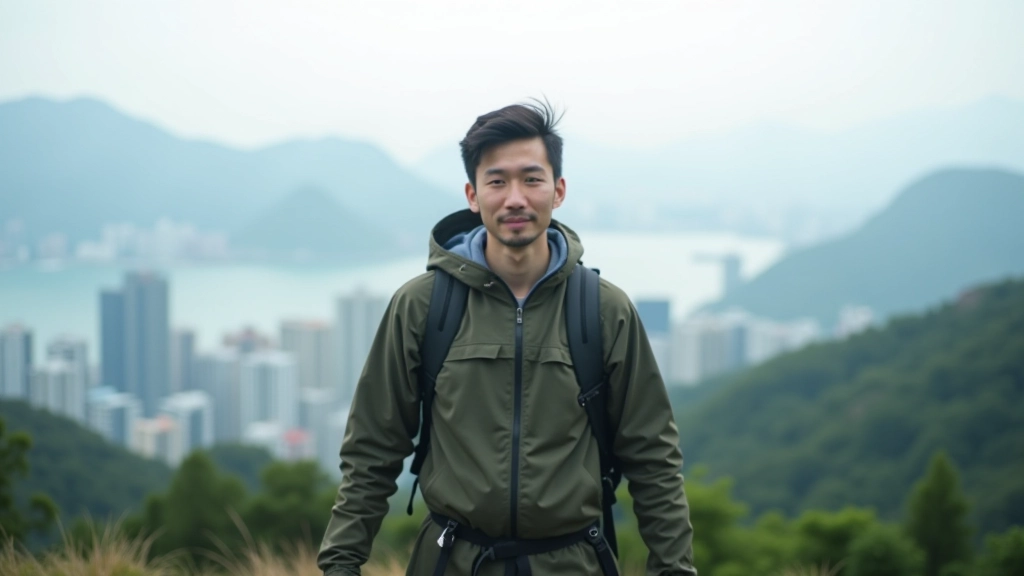
Hong Kong’s trail network is massive. We’re talking about over 50 major routes crisscrossing the territory. But not all of them are great for reflective walking — some are too crowded, too steep, or just don’t have that quiet contemplative vibe you’re after. That’s where this guide comes in.
We’ve picked five trails that work really well if you’re looking to slow down, reconnect with yourself, and actually hear your own thoughts. Each one has something different to offer — whether that’s ocean views, forest canopy, or peaceful valleys away from the city rush.
Dragon’s Back Trail: Views Without the Crowds
Dragon’s Back gets about 2-3 hours from start to finish, depending on your pace. The trail runs along a ridge with views on both sides — you’ll see Shek O beach on one side and the South China Sea on the other. It’s not a technical hike, which is good because you won’t be thinking about foot placement the whole time.
The key thing here is timing. Go early — 7am or earlier. You’ll have the ridge mostly to yourself for the first hour, which makes a huge difference. The wind through the grass, the light hitting the water, the way the mist clears as the sun rises. That’s where the real meditation happens. We’ve found that people who hit this trail at dawn come back weeks later saying it’s where they actually solved whatever was bothering them.
- Distance: 8.5 km
- Duration: 2-3 hours
- Difficulty: Easy to Moderate
- Best time: Early morning (6-8am)

Tai Tam Waterworks Heritage Trail: Walking Through History
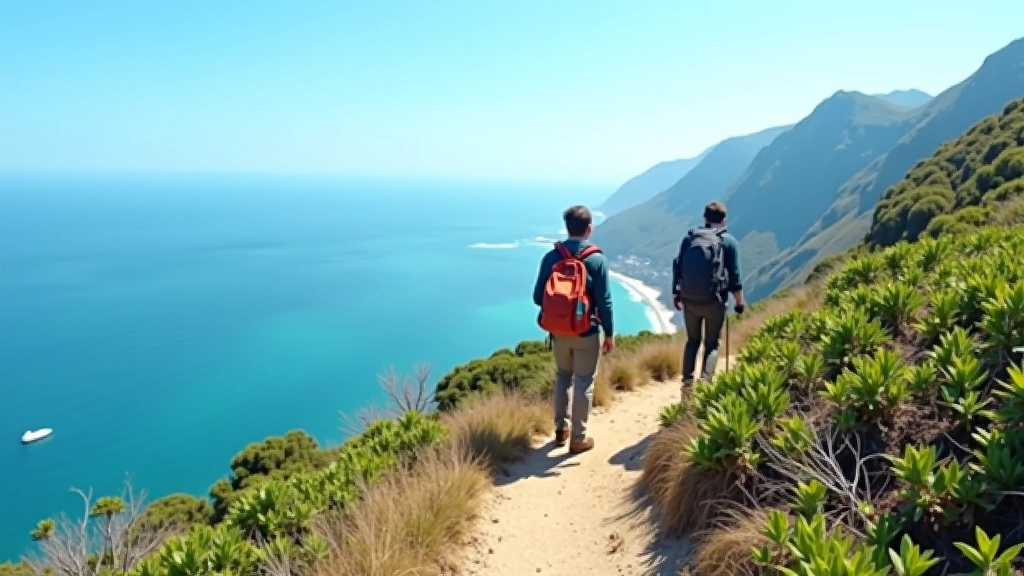
This one’s different. Instead of just nature, you’re walking through a landscape shaped by human engineering — old waterworks, stone channels, historic structures. It’s about 7 km and takes roughly 2.5 hours. The walk feels more like a slow exploration than a traditional hike.
What makes it reflective isn’t the scenery alone — it’s the contrast. You’re surrounded by forest and water features, but there’s this underlying story about how people adapted to living in a crowded city while trying to manage resources. You can’t help but think about things differently when you’re walking past hundred-year-old structures and noticing how nature’s reclaimed them.
Pro tip: Bring a water bottle and plan to sit by the upper reservoir for 20 minutes. That’s where most people have their “aha” moments on this trail.
Lantau’s Sunset Peak: Solitude at Altitude
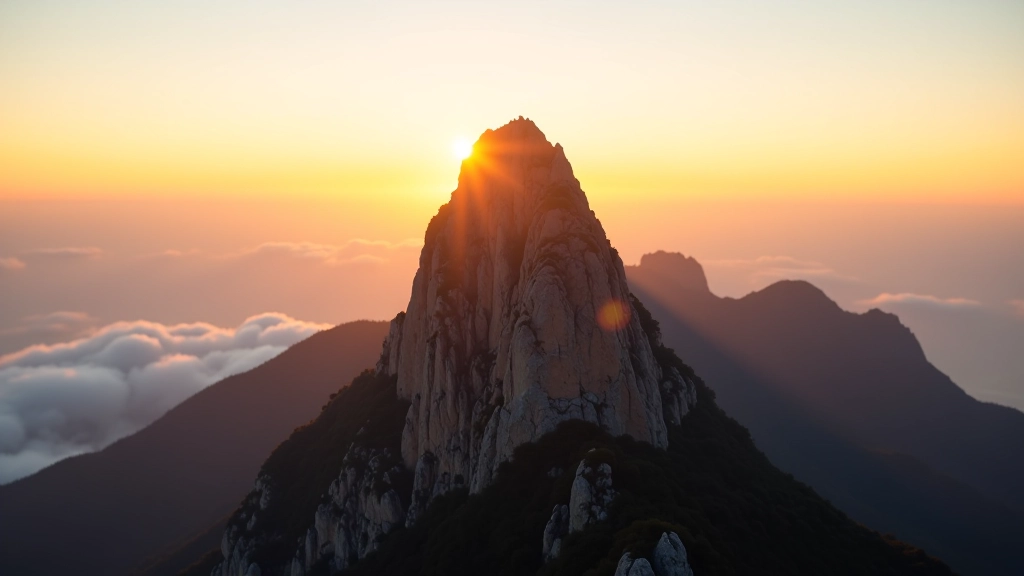
If you want elevation and quiet at the same time, Sunset Peak works well. It’s 869 meters high, so you’re getting real altitude gain, but it’s not brutal. About 1.5 hours up, 1.5 hours down. The path is steep but straightforward — you’re not scrambling or doing anything technical.
The thing about hiking uphill is that it focuses your mind. You can’t really think about work emails or what someone said to you last week when you’re concentrating on your breathing and your legs. And when you reach the summit, there’s this moment of clarity that comes with being at the top of something. On clear days, you can see all the way to Macau. On misty days, you’re literally above the clouds.
We’ve had people tell us that doing this hike once a month became their non-negotiable reset. No phone signal at the peak, no distractions, just the effort and the view.
Coastal Path to Hoi Ha Wan: Where Land Meets Water
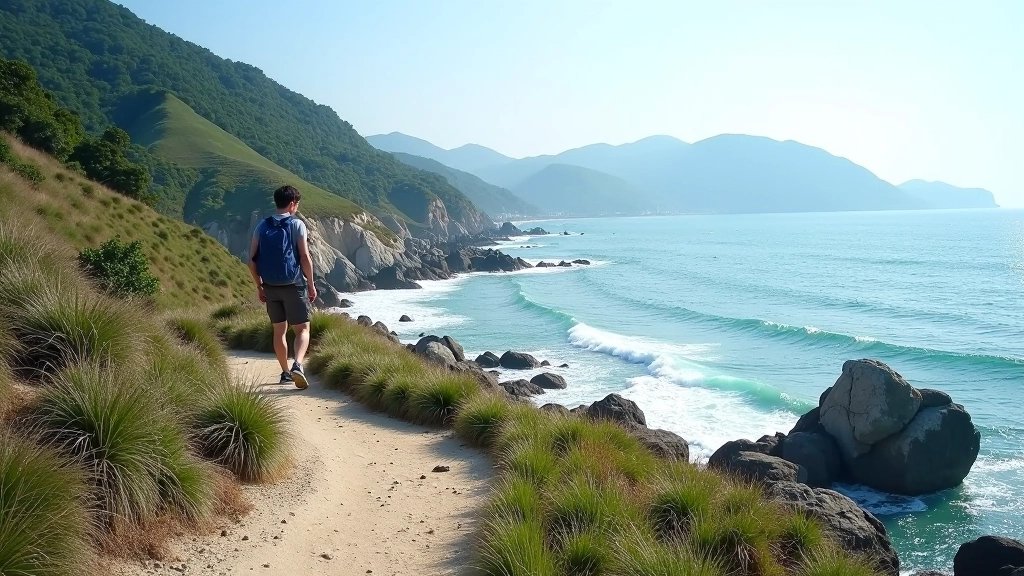
This coastal walk in the northeast is about 8 km and doesn’t require serious elevation gain. You’re mostly walking at sea level along the coast, which changes how the experience feels. Instead of pushing physically, you’re processing visually — the rhythm of waves, the smell of salt water, the texture of the rocks.
Hoi Ha Wan is a marine park, so there’s actual biodiversity happening around you. You’re not just looking at empty scenery. There’s life — birds, plants, sea life in the shallow areas. That active observation keeps your mind present in a different way than a mountain hike does. You’re noticing details instead of managing effort.
Lion Rock to Needle Hill: The Urban Escape
This one starts near Kowloon, so there’s no ferry needed. That means you can fit it into a weekday morning or afternoon. The route to Lion Rock takes about 1.5 hours, and from there you can continue to Needle Hill if you want another 90 minutes. The cool thing? Within 30 minutes of starting, the city noise completely disappears.
We call this the “surprise hike” because people are shocked at how quickly you leave the urban environment behind. You’re hiking through actual vegetation, hearing birdsong, seeing the city sprawl below you — but it doesn’t feel far away, just separate. There’s something grounding about that perspective shift.
Don’t skip the view from the summit. On clear days, you can see the entire harbor. On hazy days, it’s more intimate — just you, the peak, and clouds. Both versions work for reflection.

Making Your Reflective Walk Actually Reflective
The trail itself isn’t what creates reflection. Your mindset and approach matter way more. Here’s what we’ve learned works.
Leave the Phone Behind (Or Silent)
This isn’t about being anti-technology. It’s about attention. Your brain can’t be processing notifications and also be present in nature. If you need to bring your phone for safety, turn off all notifications and don’t check it. Not once. Yes, it’s hard.
Set a Walking Pace You Can Sustain
If you’re huffing and puffing the whole time, you won’t have mental space for reflection. Pick a pace where you can breathe normally and notice things. Slower is almost always better for this purpose.
Don’t Have a Specific Goal
You’re not trying to solve a problem or reach a decision. You’re creating space for your mind to work. Sometimes that means thoughts come up. Sometimes it means your mind just goes quiet. Both are valuable.
Build It Into Your Routine
One hike does something. Monthly hikes do something different. When you make it regular, your mind starts preparing for the space before you even arrive at the trail. It becomes your reset button.
Starting Your Reflective Walking Practice
Hong Kong’s trail network gives you options. You don’t need to travel far to find space for reflection. Whether you’re drawn to coastal paths, mountain peaks, or forest trails, there’s a route here that’ll work for your style.
The honest truth? The trail doesn’t matter as much as the commitment to showing up and giving yourself permission to slow down. Pick one of these five, plan a time that works, and go. Your mind will handle the rest.
We’ve seen people transform their relationship with the city, their stress levels, and their sense of clarity just by making this a regular practice. It’s not complicated. It’s just you, a trail, and some time.

Continue Exploring



Disclaimer
The information provided in this article is for educational and informational purposes only. Trail conditions, weather, and accessibility can change. Always check current trail status, bring appropriate gear, and consider your fitness level before attempting any hike. This content isn’t a substitute for professional guidance — if you’re new to hiking or have health concerns, consult with a healthcare provider or experienced guide. Weather in Hong Kong can be unpredictable, especially during monsoon seasons. Plan accordingly and bring proper rain gear. Some trails may have restricted access during certain periods due to maintenance or wildlife management.