
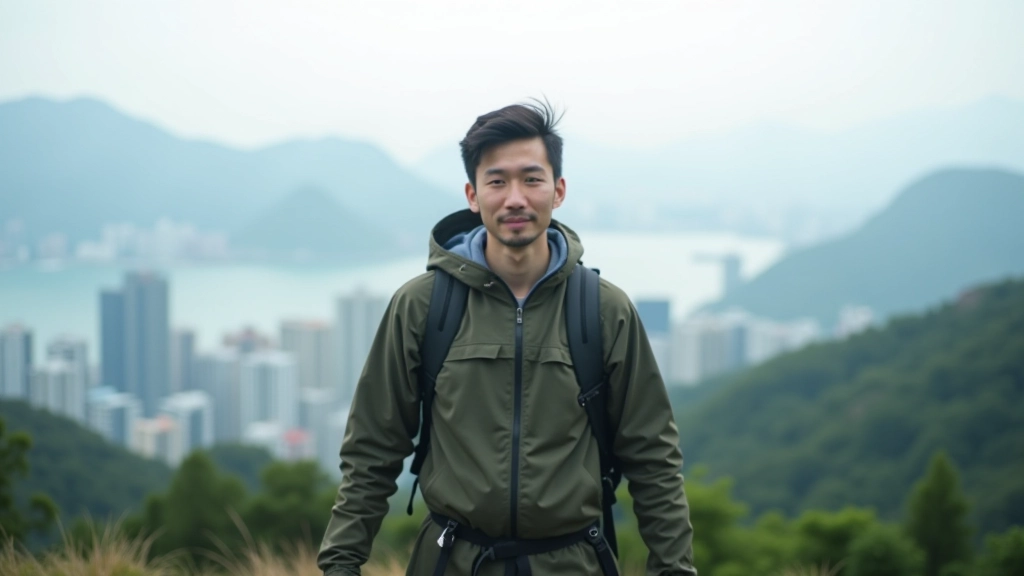
Best Trails Near Hong Kong for Reflective Walks
A guide to five accessible trails where you can actually disconnect from the city and practice mindful hiking.
Practical techniques to heighten your senses while hiking. These exercises help you notice details you’d normally miss and deepen your connection to the landscape.
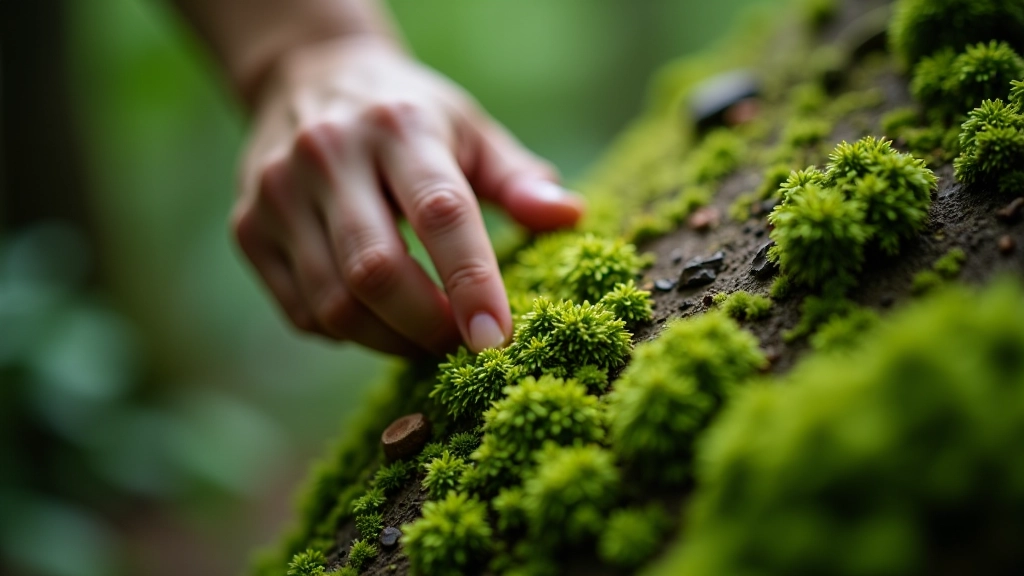
When you’re rushing through a hike, you miss everything. The texture of tree bark. The way light filters through leaves. The subtle sounds of the forest waking up. That’s where sensory awareness comes in. It’s not complicated — you’re just paying attention differently.
These exercises work on any path — coastal trails with salt spray and wind, mountain routes with altitude and distance, or even the country lanes near Hong Kong’s villages. You don’t need special gear or training. Just a willingness to slow down and notice.
Start this exercise at the beginning of your hike, when you’re fresh. Stop for about 5 minutes on the path and work through each sense deliberately.
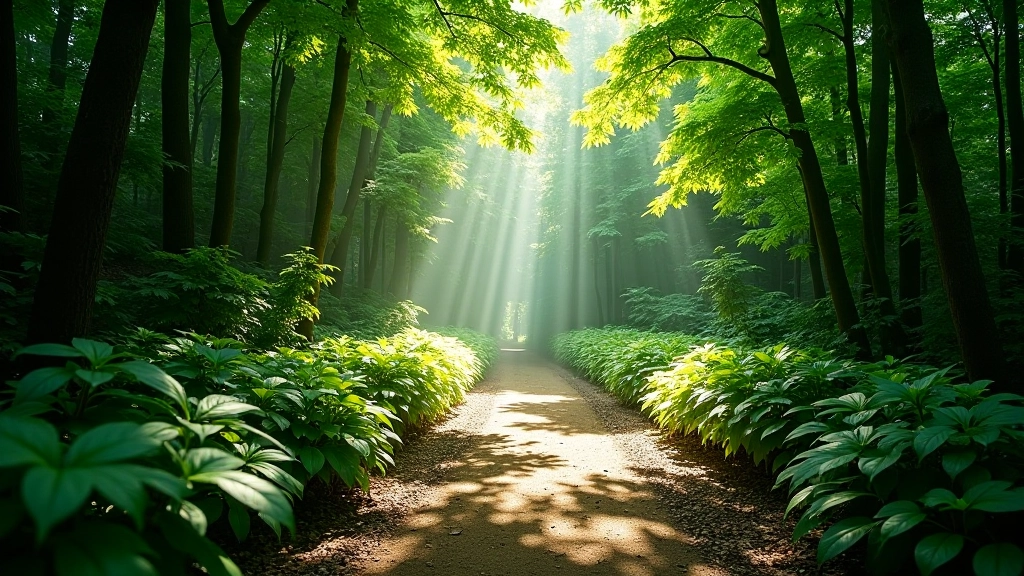
Sight first: Look at the immediate surroundings without moving. Notice colors — not just “green,” but the specific greens. Some leaves are yellow-green, others are deep forest green, some almost blue-tinted. Count how many shades you see in the next 10 seconds. It’s harder than you’d think.
Sound second: Close your eyes for 30 seconds and listen. Don’t try to identify everything. Just notice what’s there. Bird calls, wind, your own breathing, maybe distant water. Most people discover they weren’t hearing half of it before.
Touch: Pick something safe to touch — a rock, moss, a leaf, tree bark. Feel the texture. Is it rough or smooth? Warm or cool? Damp or dry? Spend 20 seconds on this alone.
Smell and taste come last. Smell the air around you — you’ll notice it’s different in the forest than on exposed mountain ridges. Taste comes from the air quality, moisture, even minerals in the breeze.
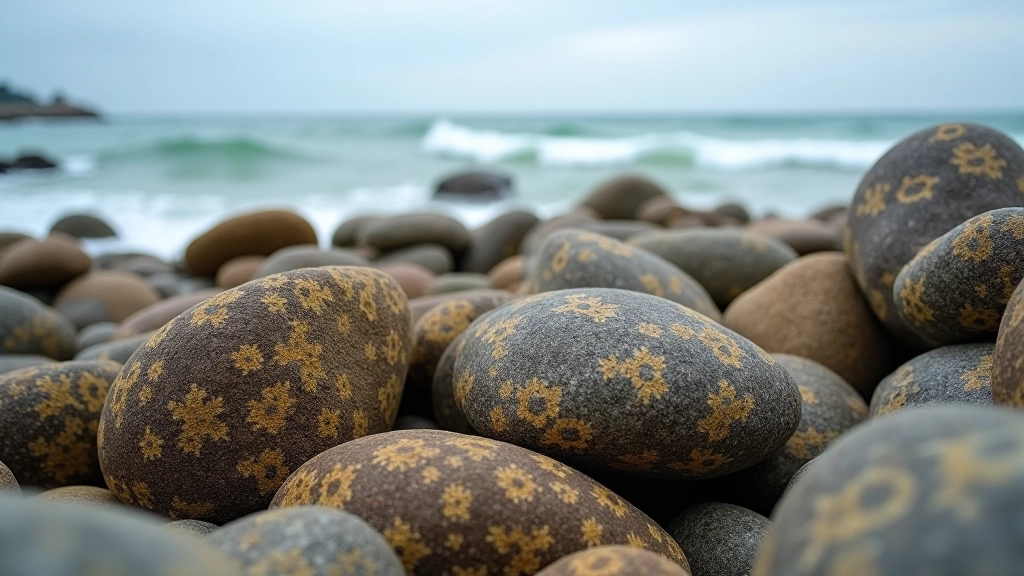
Coastal hikes offer incredible texture variety. Salt spray creates different conditions than mountain air. Rocks, shells, sand, seaweed — each has its own tactile experience.
Find a safe spot and spend 3-4 minutes touching different textures. Start with your hands — rub them on rock (smooth vs rough sections), hold a shell, feel sand between your fingers. Notice how temperature changes. Rocks near the waterline are cooler. Sun-exposed ones are warm.
The salt element matters too. You’ll smell it intensely on windy days. Taste the salt-laden air. Feel how your skin responds to the salt spray — it’s actually tightening your skin, changing how you feel physically.
This isn’t about being poetic. It’s about noticing your body’s actual response to your environment. That matters for real grounding and presence.
Mountain hikes change your sensory experience completely. Altitude affects how you breathe, which affects how present you are. Sound travels differently. Your heartbeat feels louder in your ears.
At around 500-600 meters elevation (typical for Hong Kong mountain trails), you’ll notice your breath becomes a focal point. This is actually useful. Make it intentional. Stop every 15-20 minutes and spend 2-3 minutes just listening to your breathing and the mountain around you.
Mountain air carries sound differently than valley air. You’ll hear things from farther away — other hikers, distant water, wind in the higher canopy. Notice which sounds travel and which don’t. This trains your attention.
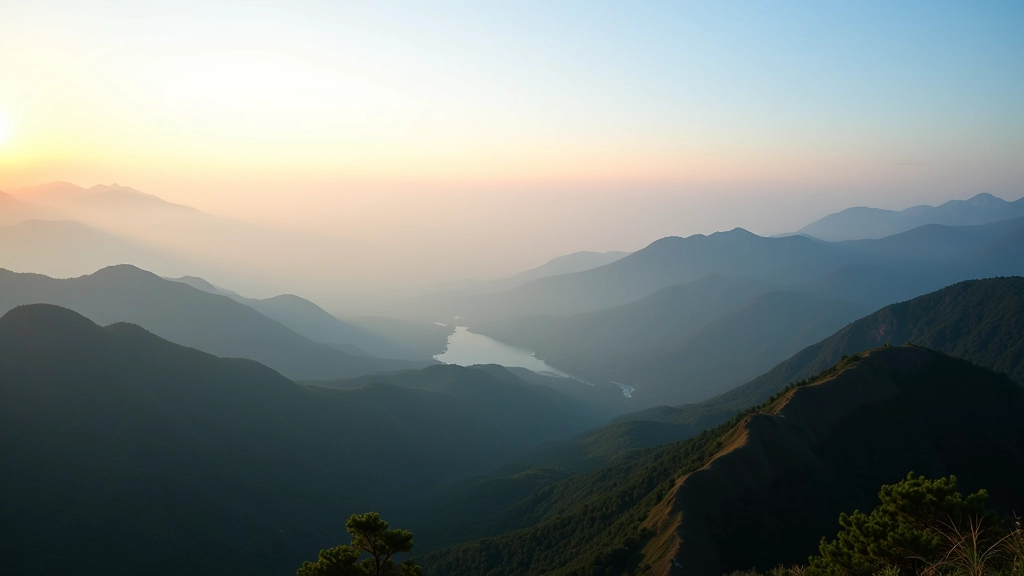
Sight shifts too. At higher elevations, visibility often improves. You can see longer distances. Some people find this liberating — your visual field expands. Use that. Spend 2-3 minutes looking at the farthest point you can see, then gradually focus on what’s closer, then closest. This teaches your eyes and brain to shift focus intentionally.
This one’s simpler but requires actual focus. Walk slowly — and I mean genuinely slowly, about 1 step per 2 seconds. Not because you’re tired, but because you’re paying attention to the ground.
Feel your foot strike the earth. Is the path firm or soft? Flat or uneven? Rocky or dirt? Your feet have thousands of nerve endings. Most people never use them for actual sensation — they just use them to get somewhere.
Spend 10-15 minutes on this during your hike. The pace is frustratingly slow at first, but it transforms your experience. You’ll notice things that whizzed past you before — the specific texture of the path, the way light changes, small details in the landscape you’d normally miss completely.
This works on any terrain. Coastal paths with sand and rock. Mountain trails with exposed roots and loose stones. Country lanes with grass edges. The specific sensation changes, but the principle stays the same — you’re present in your body, in contact with the earth.
These aren’t one-time exercises. They work best when you build them into regular hiking. Start with 5-10 minutes per hike. The Five-Sense Scan at the start. Some walking meditation in the middle. Maybe the texture awareness if you’re on a coastal path.
After a few weeks of consistent practice, something shifts. You don’t need to do the formal exercises anymore — you just naturally notice more. Your hike becomes richer. The forest becomes more alive. The coastal path becomes genuinely interesting instead of just exercise.
That’s the real payoff. Not fancy techniques. Just the genuine experience of being present on a path you love.
Key takeaway: Sensory awareness isn’t mystical. You’re just using the senses you already have. Your job is noticing what’s already there — the textures, sounds, sights, and feelings that make each path unique.


This article is for educational and informational purposes only. The sensory awareness exercises described are intended to support personal mindfulness practice and outdoor enjoyment. They’re not a substitute for professional mental health treatment, medical advice, or professional guidance from qualified instructors. Individual experiences vary based on fitness level, health conditions, and environmental factors. Always hike safely, bring appropriate gear, check weather conditions, and consider hiking with others. If you have health concerns or disabilities, consult with healthcare professionals before starting new physical practices.